
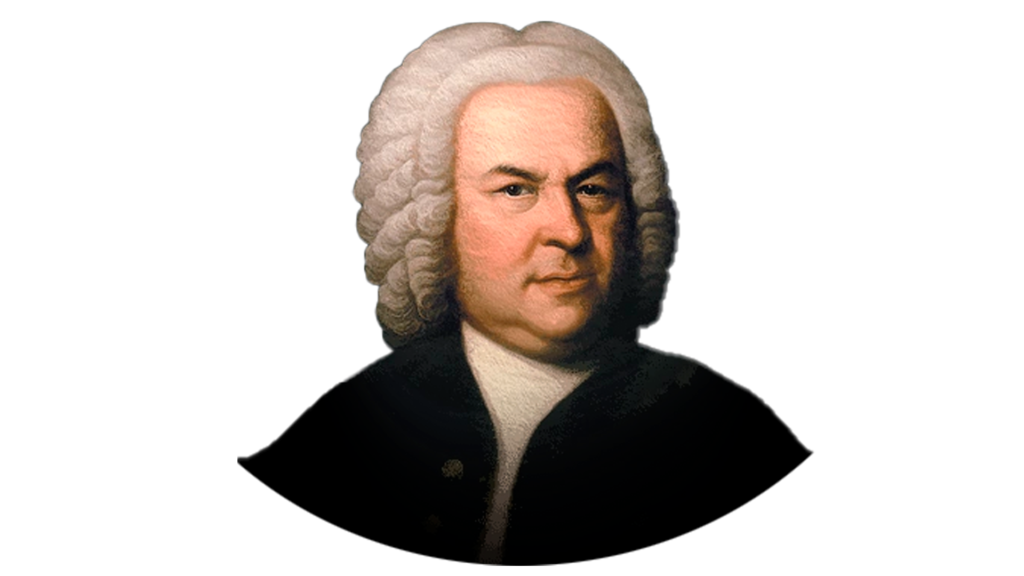
You probably know who he is, and if not, this will interest you. Throughout history, many musicians, scholars and publications have drawn up lists of the most important composers, where some of the criteria taken into account are their influence, their contributions to music, their skill and their international recognition. The curious thing is that, although these lists vary from one to another, many agree that the top 3 is made up of Johann Sebastian Bach, Ludwig van Beethoven and Wolfgang Amadeus Mozart, with Bach in first place, followed by Mozart or Beethoven, who spark the constant debate about which one is better, since they are practically on a par.
The father of music
Johann Sebastian Bach is known as the father of music. His works are astonishing and full of unmatched contrapuntal richness, which is why he is also nicknamed “the father of counterpoint”. He took counterpoint to another level, and here are some interesting facts you should know.
1. He proved that every key is functional
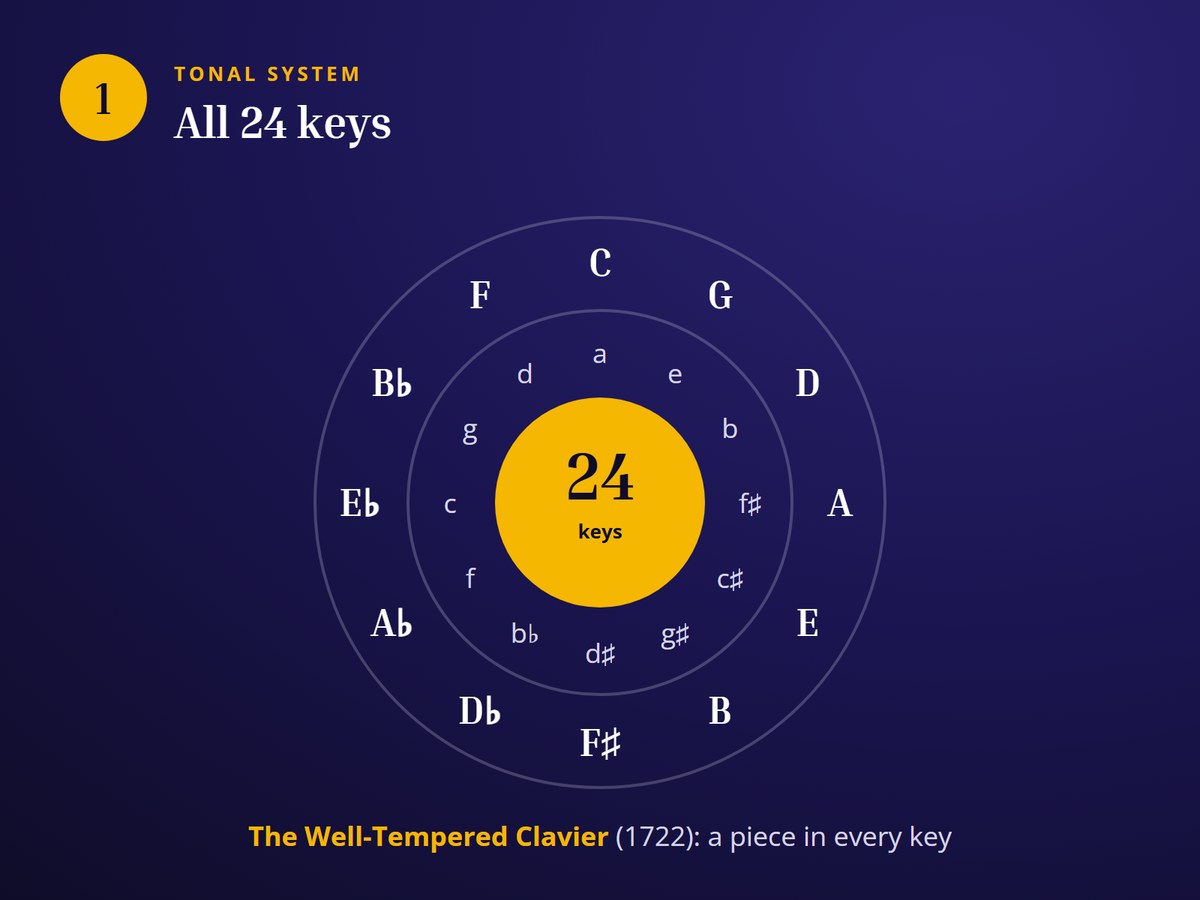
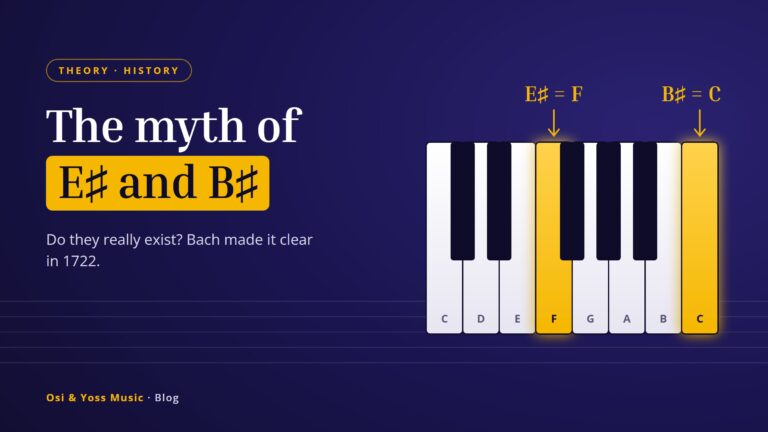
The Well-Tempered Clavier (the first book is dated 1722), with a prelude and fugue in each of the 24 major and minor keys, was the first collection of fully worked keyboard pieces in every key. Others had had similar ideas before, but Bach’s became the most famous proof that all keys are perfectly functional. It may be one of his greatest contributions to music (3).
2. He took counterpoint to another level
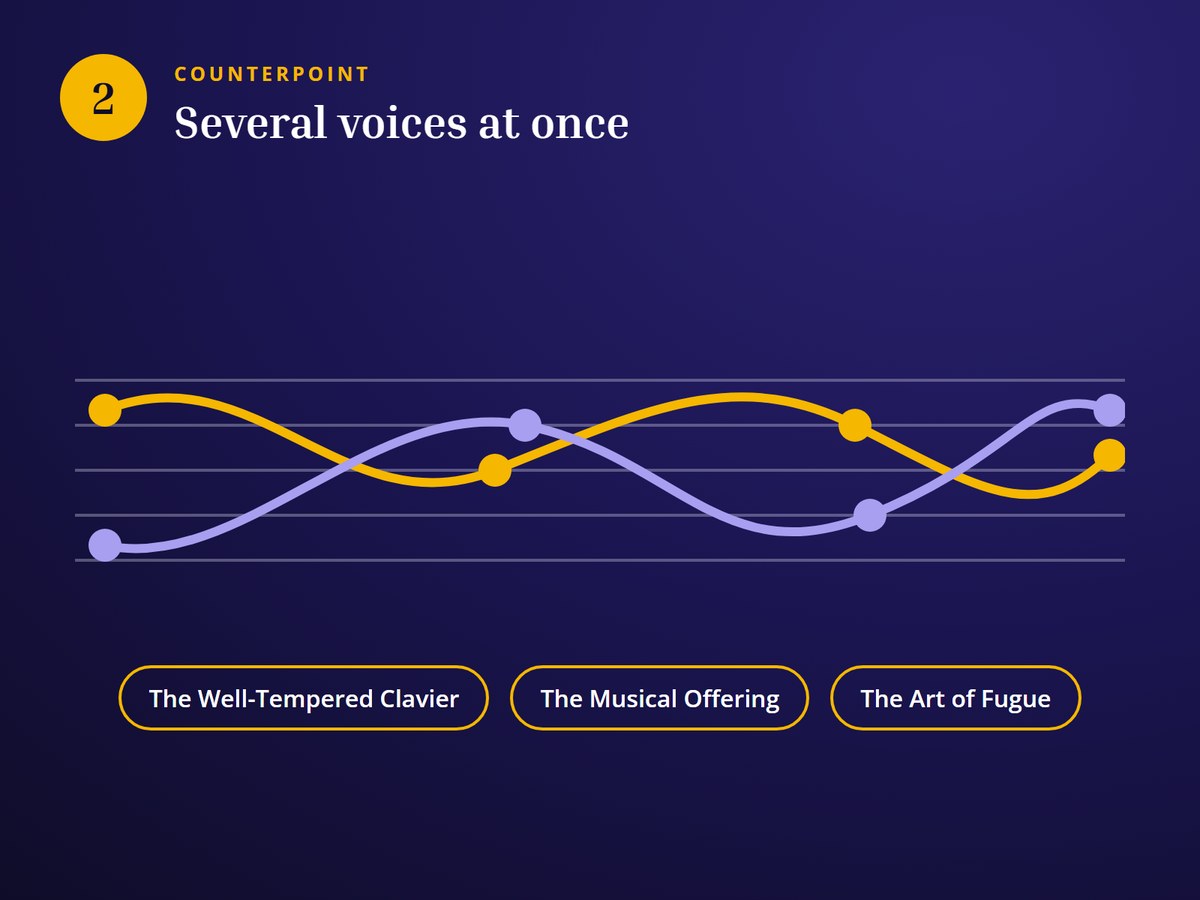
He is known for his mastery of counterpoint, and today he is a fundamental reference for studying it and for using it to compose and arrange music. The works where it shines the most are The Well-Tempered Clavier, The Musical Offering and The Art of Fugue, although all of his work features counterpoint of the highest level (1, 4).
4. His last fugue was left unfinished because of his death
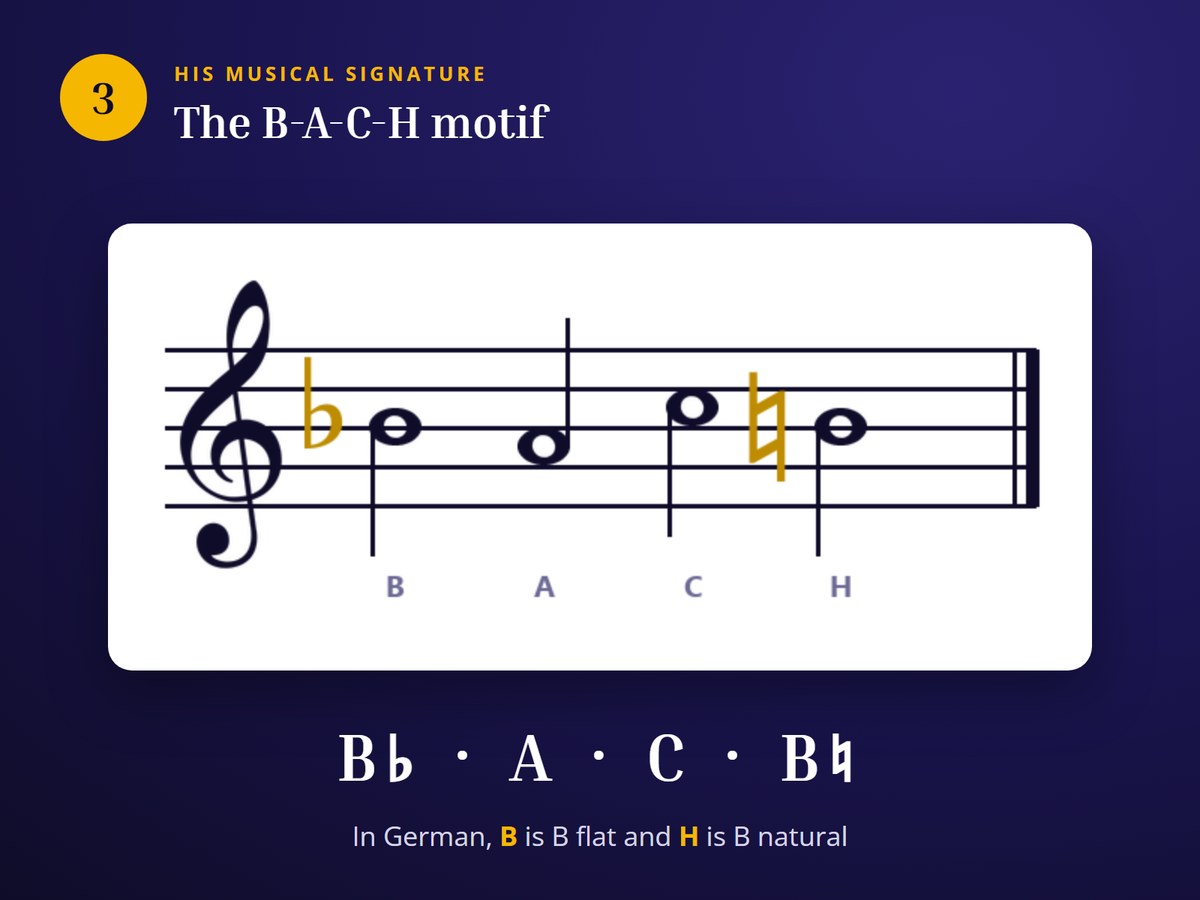
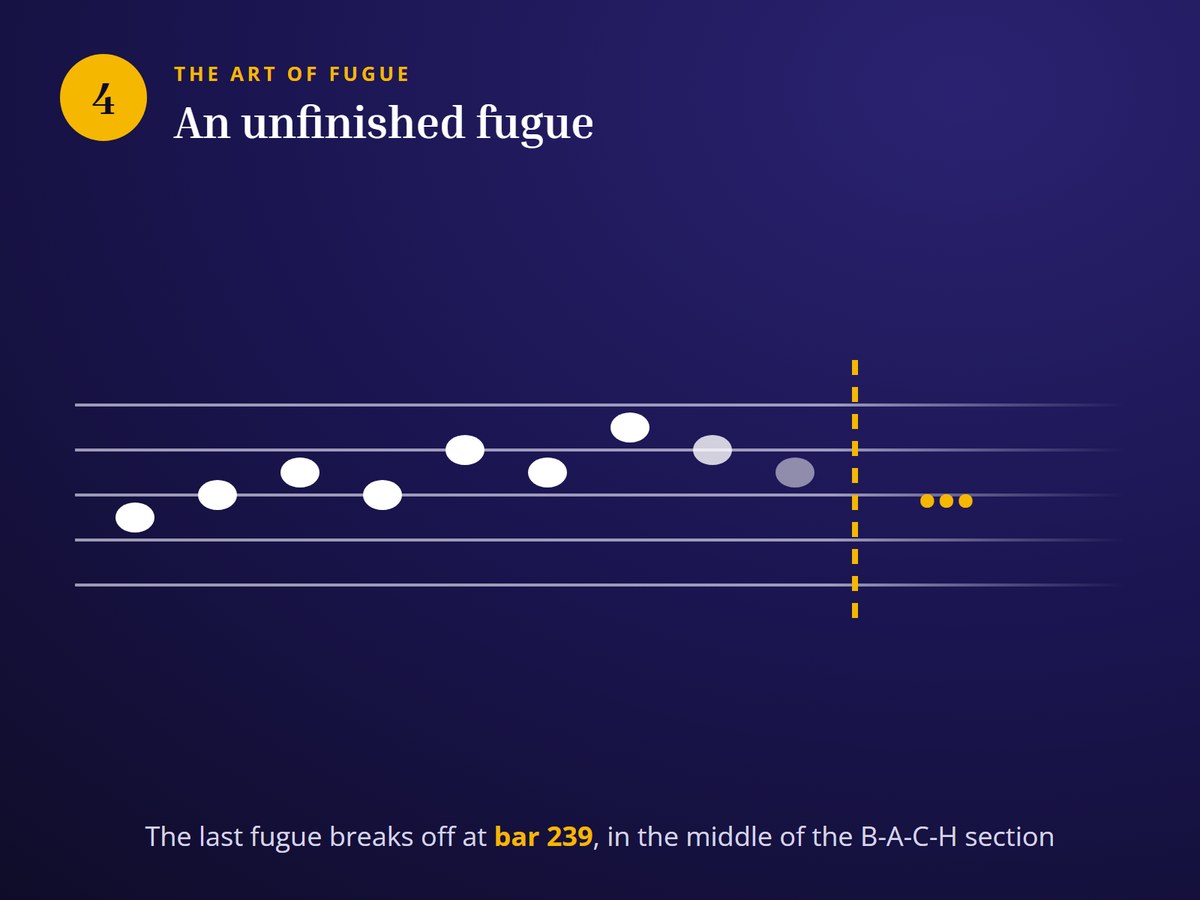
The last counterpoint of The Art of Fugue (Contrapunctus XIV) is a triple fugue that was likely meant to become a quadruple fugue, its third subject being his characteristic “BACH” motif. The manuscript breaks off in bar 239 (4).
5. He died after eye surgery
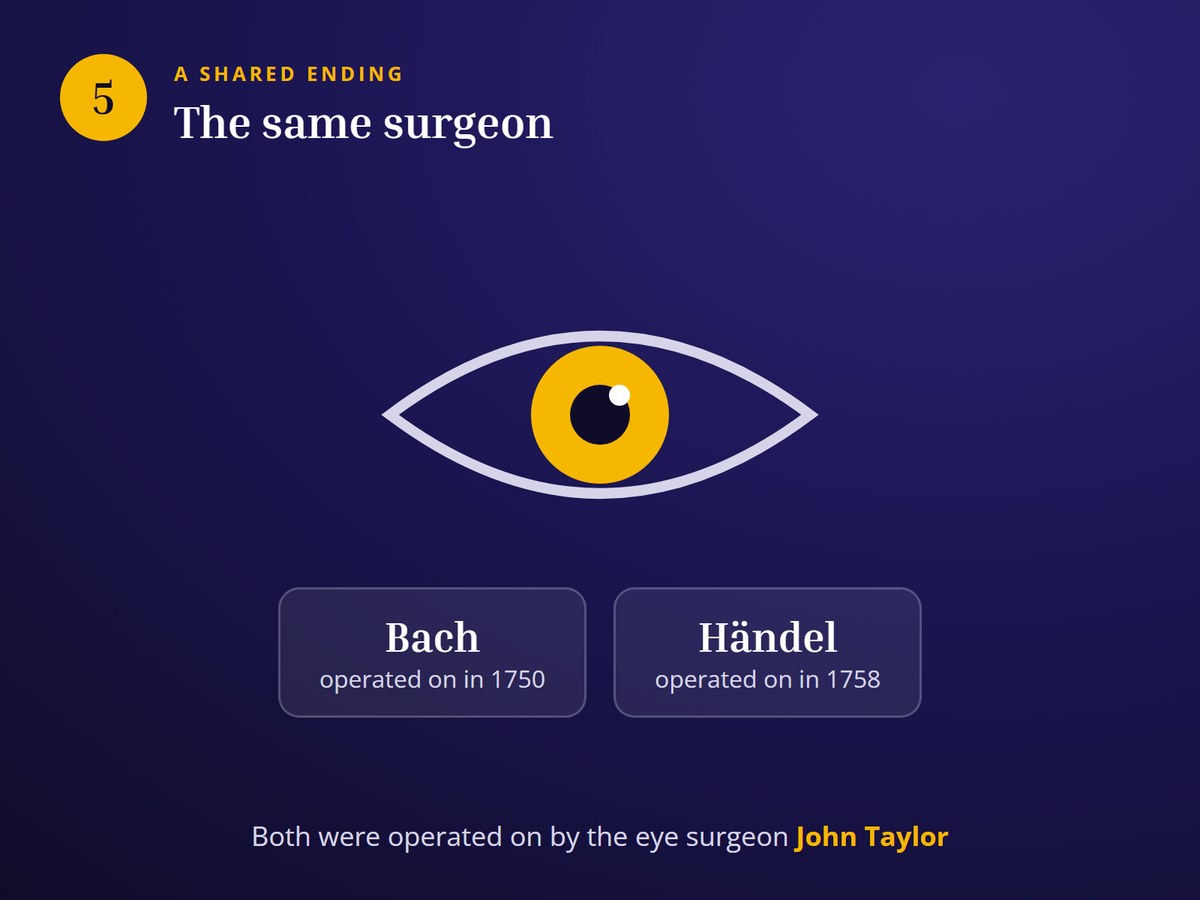
He was going blind, and the eye surgeon John Taylor operated on him twice in 1750; he died less than four months later. Curiously, there is evidence that the same doctor operated on the composer George Frideric Handel (another giant of the Baroque period) in 1758, after which Handel’s health declined until his death in 1759 (1, 6).
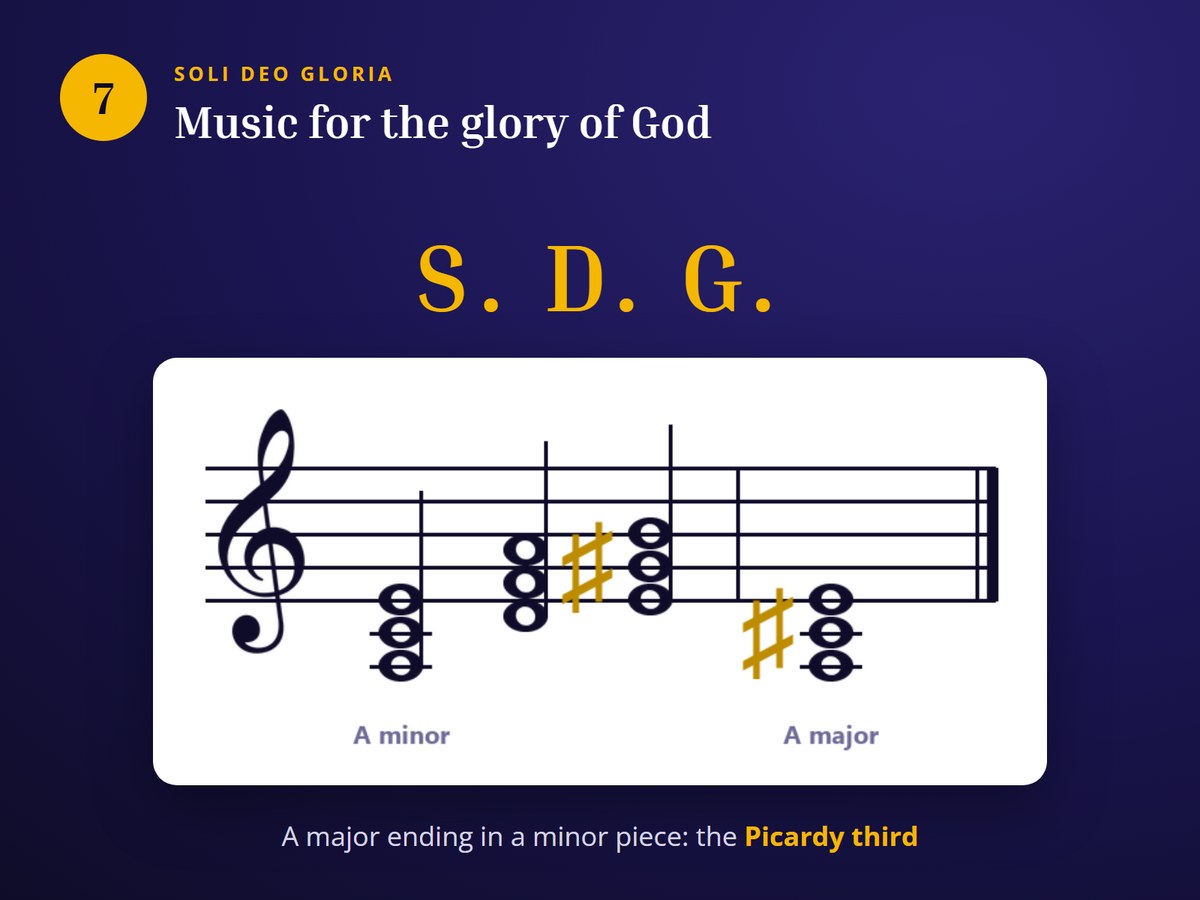
7. He dedicated his music to the glory of God
As a Lutheran Christian, he used the formula “S.D.G.”, Soli Deo Gloria (“glory to God alone”), to signify that his work was made to praise Him. Many of his minor-key chorales feature his characteristic major ending, known in harmony as the “Picardy third“, which raises the third of the final chord by a semitone (1, 8, 9).
8. In his lifetime he was famous for his skill at improvisation
After hearing him improvise on the organ, the old master Reincken reportedly said: “I thought that this art was dead, but I see that it lives in you.” After his death his reputation as a composer initially declined, as his music was seen as old-fashioned, and it was only later, above all after Felix Mendelssohn’s 1829 performance of the St Matthew Passion, that the Bach Revival began (1).
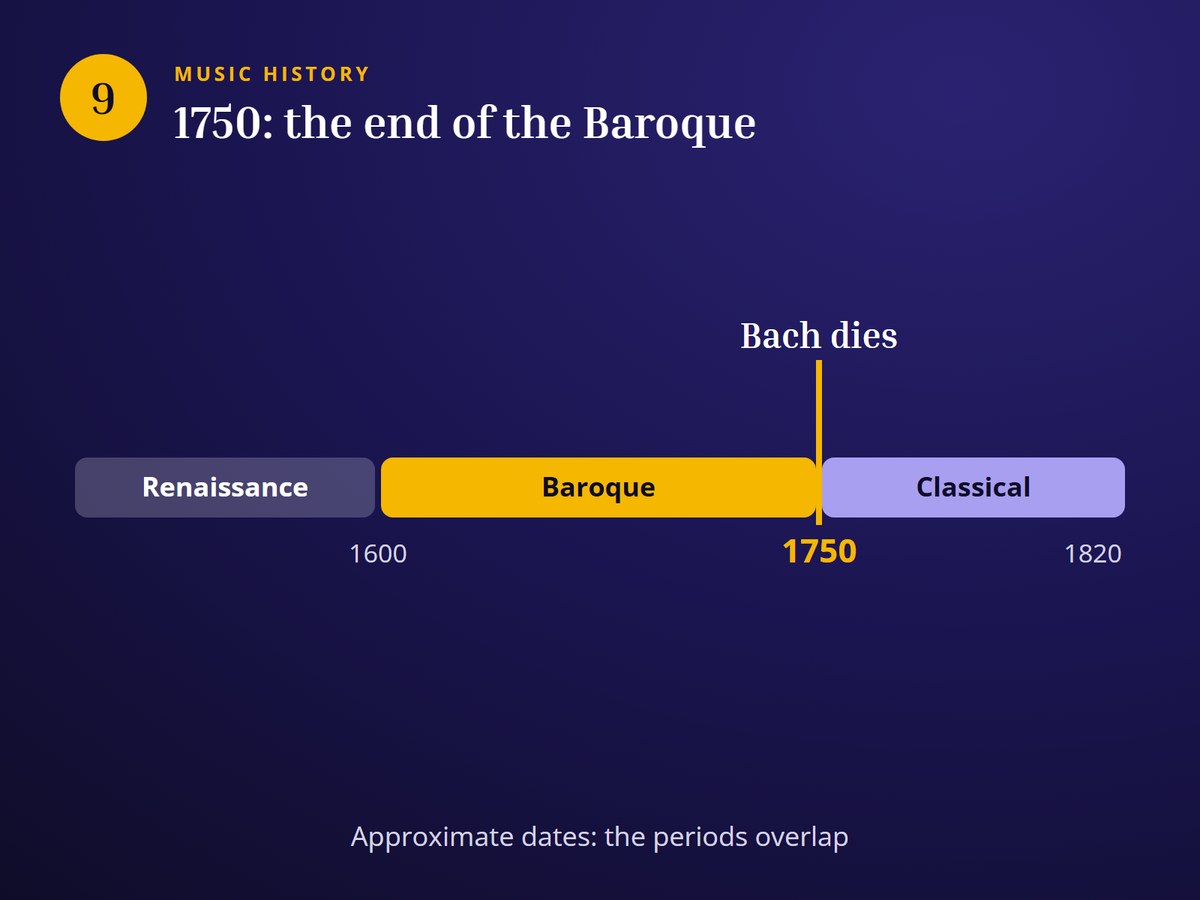
9. His death marks the end of the Baroque period
The year of his death, 1750, is taken as the reference point for the end of the Baroque period, which is usually dated from about 1600 to 1750, and the beginning of the Classical period (10).
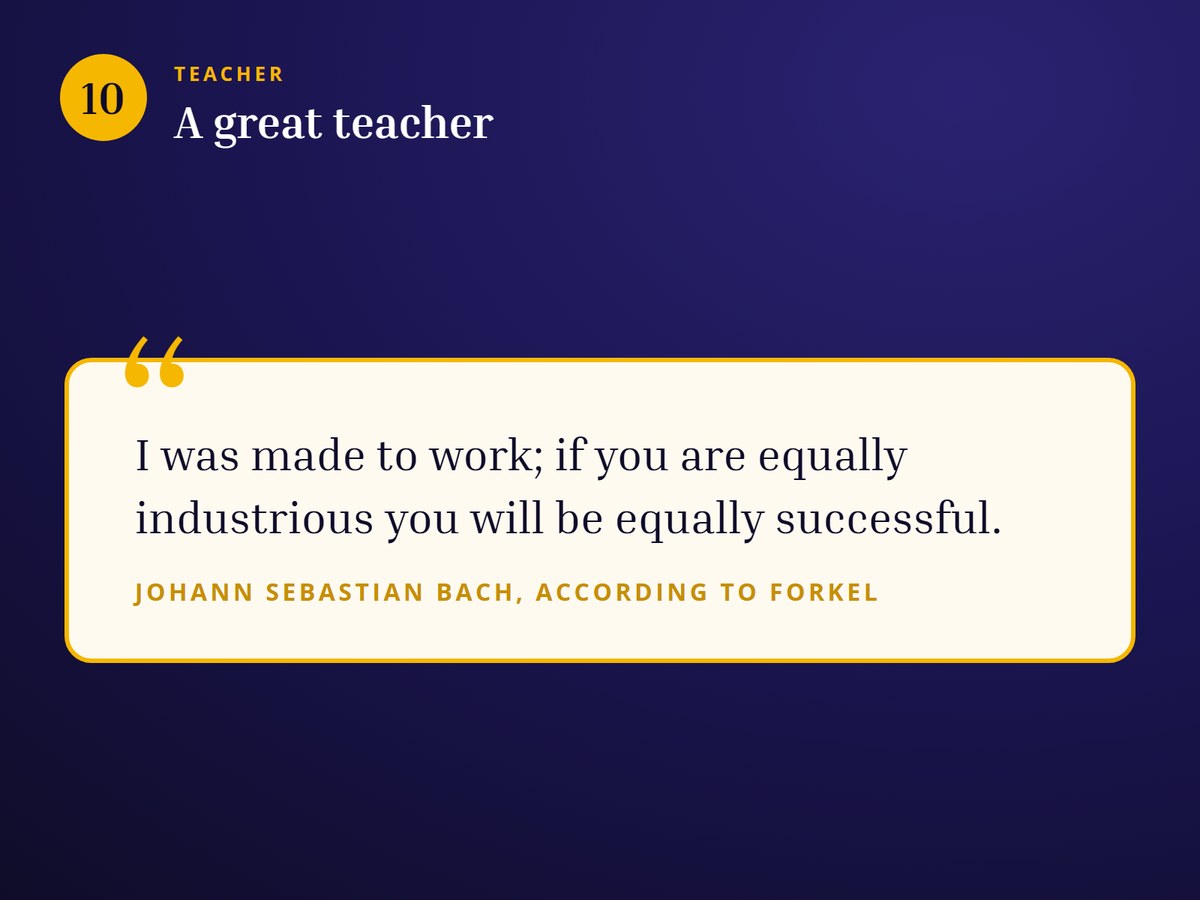
10. He was an outstanding teacher
He trained many students, and according to his first biographer, Johann Nikolaus Forkel, when asked the secret of his mastery he left us this noble, inspiring phrase: “I was made to work; if you are equally industrious you will be equally successful” (11).
What do you think? With a lot of effort and discipline, could we reach the level of this genius, or is it the work of the Almighty?
Either way, we hope you enjoyed reading and learned something new about “the father of music”.

0 Comments